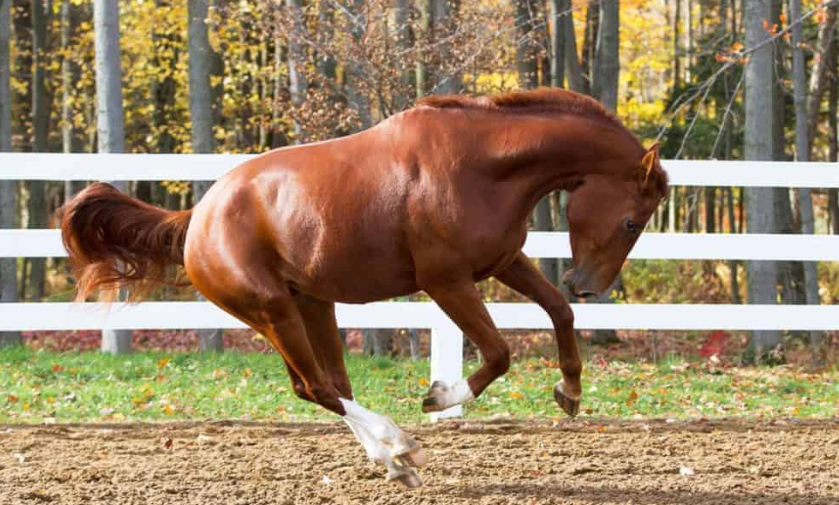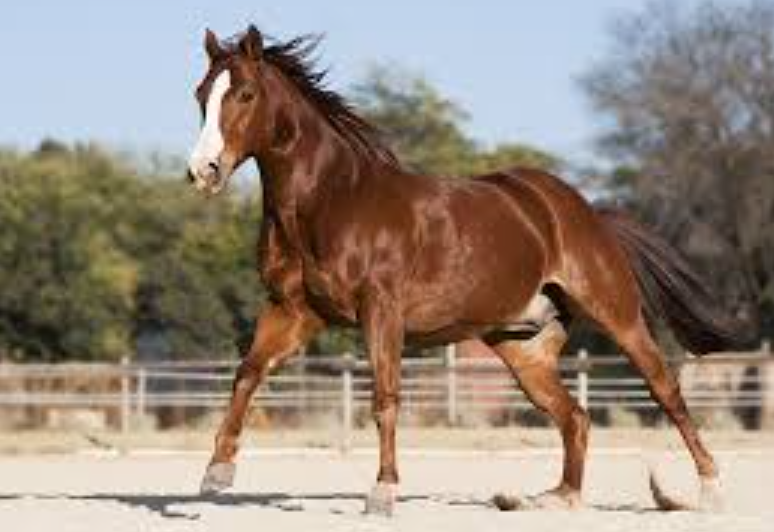

Thoroughbreds are renowned for their striking physical traits and distinct behavioral attributes. Standing between 15.2 and 17.3 hands, they exhibit a variety of coat colors, each adding to their allure. Their sensitivity and intelligence necessitate specialized training approaches. Understanding these characteristics is crucial for anyone involved in equine sports or breeding. However, the complexities of their nature and history raise questions about their role in modern equestrian activities. What factors truly influence their success?
Physical Traits of Thoroughbreds
Although Thoroughbreds are often recognized for their speed and agility on the racetrack, their physical traits play a crucial role in their performance capabilities.
Height variation among Thoroughbreds typically ranges from 15.2 to 17.3 hands, influencing stride length and overall athleticism.Additionally, their coat colors, which can include bay, chestnut, and gray, reflect genetic diversity, affecting their appeal and market value in equine competitions.
See also: A Day in the Life of a Racehorse
Behavioral Characteristics of Thoroughbreds
Thoroughbreds exhibit a range of behavioral characteristics that significantly influence their training and performance.
Their temperament traits, such as sensitivity and intelligence, require specific training methods that foster trust and cooperation.
Understanding these behaviors is crucial for trainers to develop effective strategies, as a deep connection can lead to enhanced performance on the track, showcasing the thoroughbred’s innate capabilities and desire for freedom.
Historical Significance of Thoroughbreds
While the origins of Thoroughbreds can be traced back to the late 17th century, their historical significance extends far beyond mere breeding practices.
Integral to racing history, Thoroughbreds symbolize the evolution of equestrian sports and the pursuit of excellence. Their selective breeding practices have shaped not only their speed and agility but also the cultural landscape of horse racing, influencing societies globally.
Conclusion
In conclusion, Thoroughbreds exemplify a unique blend of physical elegance and complex behavioral traits, making them a standout breed in equine history. With heights ranging from 15.2 to 17.3 hands, these horses display a striking versatility in appearance and performance. Notably, over 90% of Thoroughbreds used in racing come from a lineage of winners, underscoring the breed’s historical significance and the impact of selective breeding on their market value and athletic capabilities.

 By
By